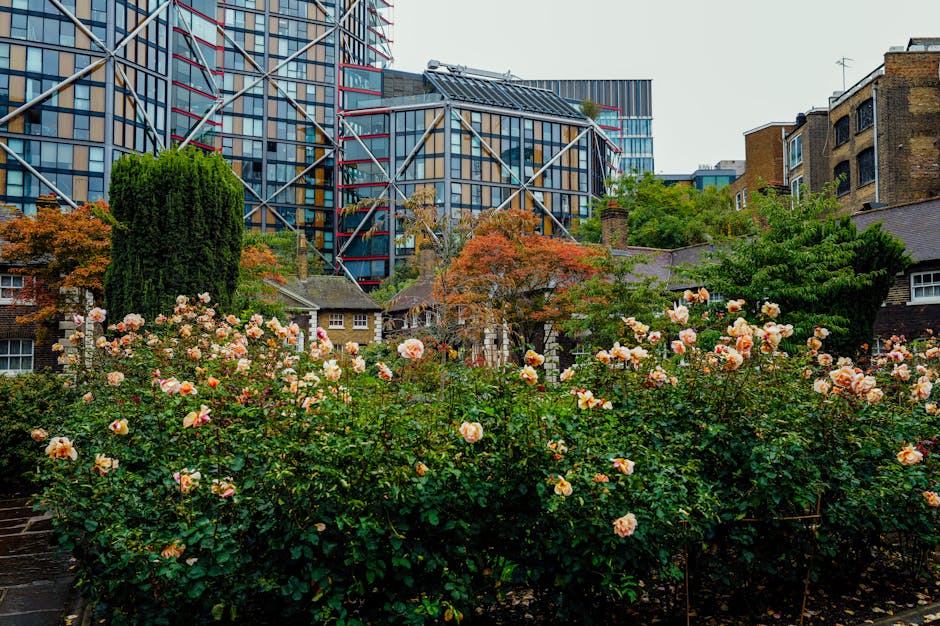
Gardening Services in Shoreditch

Gardening services in Shoreditch can cover regular upkeep, one-off tidy-ups and more involved outdoor improvements for homes, shared courtyards and business premises. Our work can include lawn care, hedge trimming, pruning, planting support, border maintenance and garden clearance, with each task planned around the space in front of us rather than a one-size-fits-all routine. The aim is straightforward: keep outdoor areas workable, presentable and easier to manage across the seasons.
Shoreditch gardens often need careful handling because many properties have compact plots, limited access or mixed surfaces that call for tidy, efficient work. We therefore focus on practical service choices that suit the site, from routine mowing and edging through to more considered landscaping and planting changes. If you want to compare options, our service pages explain the main work in more detail and help you decide what fits best.
For a quicker start, you can use the service pages to narrow down the job type, then ask for a quotation when you are ready. A clear description of the space, the current condition and the result you want usually gives the best starting point. Tell us what needs doing, and we can take the next step from there.
Routine garden maintenance
Regular garden maintenance is often the best way to keep outdoor areas under control without letting small jobs build up. This can include lawn mowing, hedge trimming, weeding, border tidying and general seasonal upkeep. In a compact urban setting, it is often as much about keeping circulation clear and plant growth balanced as it is about appearance. A managed garden is usually simpler to enjoy and simpler to look after.
We can adapt maintenance work to suit a recurring schedule or a single visit, depending on what the space needs. Some gardens mainly need grass kept neat and edges sharpened, while others benefit from pruning, dead-heading and a steadier approach to beds and shrubs. If you are looking at recurring care, the garden maintenance page is a useful place to compare the core service before you request pricing.
Lawn and hedge work
Lawn mowing and hedge trimming are the two tasks that most quickly change the feel of a garden, because they frame the whole outdoor space. We cut grass to an even finish, tidy perimeter lines and trim growth so that hedges stay more manageable rather than becoming overgrown and heavy. Where needed, edging can be added to give a cleaner boundary between lawn, beds and paths. These are practical jobs, but they make a clear difference to how polished the garden feels.
Garden clearance and tidying

Garden clearance is helpful when a space has become cluttered with cuttings, fallen material, overgrowth or items that no longer belong there. The work may involve removing waste, cutting back dense growth, opening access paths and preparing the garden for whatever comes next. Clearance is not only about appearance; it can also create a safer, easier space for maintenance, planting or later landscaping work.
We approach clearances with a practical eye, because different gardens need different levels of intervention. Some require a light tidy after neglect or seasonal leaf fall, while others need a more decisive reduction of bulky growth and debris. Where clearance is the main concern, the garden clearance page gives a better sense of what the service covers and how it sits alongside the rest of our garden work.
What a clearance can involve
A typical clearance may include collecting green waste, cutting back brambles or dense planting, lifting loose debris and improving access to beds, paths and boundary edges. When a garden has been left untidy for some time, the first priority is often to regain shape and visibility before any more refined work is planned. That can make later pruning, replanting or mowing much more straightforward. Careful clearance helps avoid rushing the follow-up work.
Landscaping and garden improvements
Landscaping is the broader service for gardens that need more than routine care. It can include reshaping space, improving layout, replacing worn features and creating a garden that works better day to day. Depending on the site, that may mean new turf, refreshed planting, better circulation between sections or a redesigned finish that suits the property more closely. A good landscaping project usually starts with what the garden already has, then builds on it sensibly.
We can help with both smaller improvements and more ambitious changes, always keeping the work grounded in what is realistic for the site. If the aim is a refreshed outdoor area rather than a full rebuild, the landscape gardening page is a useful reference for the kind of practical changes that sit between routine maintenance and larger structural work. It is often the right place to start when you want to improve the feel of the space without overcomplicating the project.
For more substantial changes, the landscaping page sets out the wider service direction. That can cover layout changes, surface updates, planting structure and the combination of several tasks into one coordinated project. Good landscaping should feel coherent rather than pieced together, with each element supporting the next. If you already know the broad direction you want, you can use that page to frame your quotation request more clearly.
Lawn care and finish

Lawn care is one of the most visible parts of gardening work, because it shapes the first impression of a garden from the moment someone steps outside. A well-kept lawn usually needs mowing at sensible intervals, along with attention to edges and any patchy areas that need a steadier approach. In some gardens, the grass is the main feature; in others, it simply needs to stay neat so the rest of the planting can do its job.
Our lawn work can be combined with wider maintenance or booked as a focused service when the grass is the main concern. The practical details matter: whether the lawn is flat or uneven, whether access is straightforward, and whether the garden also needs borders tidied at the same visit. The lawn mowing page is a helpful option if you want to see the core service on its own before choosing the right level of care.
When lawn work needs more than cutting
Not every lawn simply needs a trim. Some need edging around paving, more attention near fences or sheds, or a better rhythm between mowing and surrounding border work. Where grass has been left for longer, a first cut may need to be more cautious, with follow-up visits used to bring the finish to a better standard. The aim is not only a neat cut, but a lawn that looks balanced against the rest of the garden.
Hedge trimming and pruning
Hedge trimming and pruning help control shape, reduce congestion and keep woody growth from dominating the rest of the garden. These jobs suit both formal hedges and softer mixed planting that still benefits from selective cutting. Well-timed trimming can open light, improve outlines and stop growth from spilling into paths, driveways or seating areas. It is also a useful way to maintain privacy and keep boundaries looking deliberate rather than untidy.
We can trim hedges as part of regular garden maintenance or as a separate service when a boundary has become overgrown. The right approach depends on the plant type, the size of the hedge and the look you want to preserve. For more detail on that specific work, the hedge trimming page gives a focused view of the service and the sort of jobs it is suited to.
Working around growth and shape
Pruning is usually more selective than trimming, because it aims to remove unwanted growth while keeping the plant healthy and suitably shaped. That can mean cutting back crossing stems, easing congestion in shrubs or reducing growth that has begun to block light. By handling these jobs with care, the garden keeps a cleaner outline without losing the character of its planting. Shape, balance and access all matter here.
Decking and outdoor surfaces

Decking can be a useful way to define a sitting area, create a change in level or bring a more finished look to a garden. It may be chosen for a compact courtyard, a raised section or a wider entertaining space, depending on how the outdoor area is used. Good decking work is not only about appearance; it also needs to sit neatly with the surrounding garden and remain practical to walk on and maintain.
Our decking service is best considered alongside the rest of the garden layout, because the surface has to work with paths, planting and access points. Some projects are straightforward replacements or improvements, while others are part of a broader landscaping plan. The decking services page gives a clear starting point if you want to understand how decking fits within a wider garden improvement brief.
Choosing the right finish for the space
Decking is often selected when a garden needs a more usable level area or a stronger sense of structure. The finish should be suitable for the space around it, with a careful balance between the hard surface and nearby planting. In many gardens, a modest deck works better than an oversized one because it keeps the outdoor area open and avoids overpowering the rest of the plot. The right choice depends on scale, access and the role you want the surface to play.
Tree lopping and removal
Tree work needs careful judgement because cutting too much, or removing the wrong sections, can affect both appearance and plant health. Our tree lopping and removal service is there for cases where branches are overextended, light is being blocked or a tree has become unsuitable for the space. Depending on the situation, work may involve reduction, selective cutting or complete removal where that is the most practical outcome.
We treat tree jobs as site-specific rather than routine, because each tree has its own structure, surrounding obstacles and access conditions. The goal is to reduce risk, improve the garden’s manageability and keep the remaining features of the space in better proportion. For a focused overview of this work, the tree lopping and removal page is the relevant destination.
Why tree work is handled separately
Tree tasks often need a different conversation from general garden maintenance, because the scale and approach can be quite different. In some cases the job is about opening the canopy and letting more light into the garden; in others it is about removing a tree that no longer suits the layout or condition of the site. Careful planning helps keep the work proportionate and avoids unnecessary disruption to nearby planting or hard landscaping.
How quotations are prepared

Quotation requests work best when the main job is identified clearly, whether that is regular maintenance, one-off clearance, hedge trimming or a larger landscaping change. It helps to note the size of the space, the kind of work you want carried out and any access points that may affect how the job is completed. That gives a much firmer basis for assessing the work than a very brief description alone.
If you are comparing options across several services, it can also help to decide whether you need one visit or an ongoing schedule. A garden may start with clearance, move on to maintenance and then finish with a landscaping or decking improvement once the layout is clearer. The pricing and quotes page is the most direct place to move from service browsing to a request for a quotation.
Ready to discuss the work? Ask for a quotation when you are ready, and include the service you need so we can respond with the right level of detail. You can also use the relevant service page first if you want to narrow things down before you enquire.
Garden care choices for different spaces
Not every outdoor area needs the same kind of attention, and good garden services should reflect that. A small front garden may benefit most from neat mowing, border control and light trimming, while a rear garden with mature planting may need more pruning and seasonal tidying. Shared spaces can call for a steadier maintenance pattern so the area stays presentable and easy to use. The right choice usually comes down to how the garden is used, how much growth there is and how tidy you want it to remain between visits.
When you are deciding between maintenance, clearance or landscaping, it helps to think in terms of priority. If the space is simply getting untidy, maintenance may be enough. If growth has taken over or items need removing, clearance may be the right first step. If the garden needs a new layout or better structure, landscaping is often the better route. This kind of simple distinction makes it easier to choose the service that will actually solve the problem rather than just treat the symptoms.
For customers who want a broader view of the available work, the services overview page pulls the main options together in one place. That can be useful if you are weighing up several forms of garden care and want to decide which combination suits the property best. When the shape of the job is clearer, it is easier to ask for the right quotation and avoid back-and-forth later.
About Shoreditch
Shoreditch is an inner district of East London within the London Borough of Hackney, with parts extending towards neighbouring boroughs and long-standing links to the wider East End. Its name is much older than the area’s current creative reputation, and the district has passed through several phases of change over the centuries. Medieval and early modern Shoreditch sat outside the old City boundary, which helped shape a distinct identity for the area before later urban development knitted it more tightly into London. The district’s street pattern still reflects layers of older routes, later industrial growth and post-war change, creating a mix of broad through-roads and smaller backstreets that feel markedly different from one another. Brick warehouses, converted workshops and newer buildings sit alongside Georgian and Victorian survivals, giving the area a varied architectural texture rather than a single uniform style. Shoreditch High Street, Old Street and the surrounding lanes are known for a busy street life, while the historic core around Shoreditch Church and nearby roads preserves reminders of earlier settlement. The area also has strong cultural associations, with galleries, music venues, street art and markets contributing to its identity. Green spaces in the wider district are limited compared with suburban London, so smaller planted courtyards, front gardens and shared outdoor areas often stand out as important elements in the local streetscape. Nearby transport links have helped the area evolve into a well-connected part of central and east London, but the district still carries traces of its earlier workshops, housing patterns and trading history. That mix of old and new remains one of Shoreditch’s most recognisable features.
Getting started with our garden services
Once you have a clear idea of the work, it becomes easier to choose the most suitable service route and arrange the next step. Some customers need a single tidy-up before deciding on longer-term care, while others already know they want regular maintenance or a more detailed landscaping project. Either way, a sensible brief usually leads to a cleaner quotation and a better match between the job and the result you want. If you are unsure where to begin, start with the main service page that best matches the garden’s current condition.
A useful enquiry usually includes the type of garden, the main tasks required and any constraints that might affect access or timing. You do not need to overstate the problem; a practical summary is enough to point the work in the right direction. From there, we can assess whether the job sits best under maintenance, clearance, hedge work, tree work or a broader improvement plan. Keeping the request grounded in the actual space helps make the quotation process smoother.
When you are ready, request a quotation and use the most relevant service page to support your enquiry. That is the simplest way to move from browsing to a clear, workable next step.